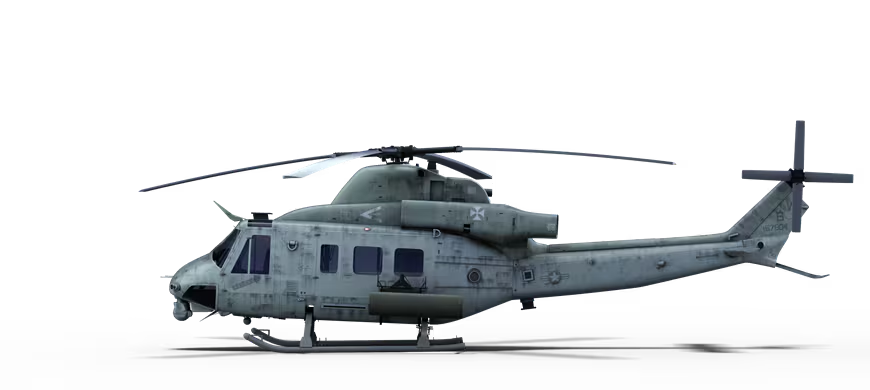
Why Sustainment Matters
The true lethality of the United States Marine Corps AH-1Z Viper and UH-1Y Venom platforms lies not just in their cutting-edge hardware, but in the unmatched tactical expertise of the pilots who fly them. Operating within Light Attack Helicopter Squadrons (HMLA), these aviators are uniquely trained as premier integrators of Marine Air-Ground Task Force (MAGTF) fires. They do far more than pull triggers; they orchestrate a "symphony of destruction" by seamlessly coordinating direct and indirect fires from mortars and artillery, sequencing electronic warfare, and synchronizing fixed-wing and rotary attacks. By managing these complex assets at precise times and locations, HMLA pilots directly safeguard and accelerate the ground scheme of maneuver. Sustained investment in these platforms ensures that the frontline Marine always retains this critical, airborne tactical hub on the modern battlefield.
What SPINE Will Do
SPINE, Structural and Power Improvements for NextGen Effects, ensures the AH-1Z Viper and UH-1Y Venom has the structural optimization, electrical capacity, and digital foundation needed to increase lethality, enhance survivability, and operate as a fully interoperable member of the modern joint force. This advanced electrical architecture enables the integration of sensors, launchers, and weapons that will increase interoperability with other assets throughout the battlespace (Series A).
Series A Enhancements Include:
Improved Defensive Systems
- Upgraded protection suites that help the aircraft detect, avoid, and counter modern threats, giving crews greater survivability in high‑threat environments.
Digital Interoperability
- Advanced data links that let H‑1s share real‑time targeting and mission information with Joint Force and fifth‑generation platforms for coordinated operations.
Increased Electrical Power
- A higher‑capacity electrical system that supports advanced sensors, long‑range weapons, and emerging technologies.
Equipped with these capabilities, SPINE-enhanced AH-1Z Viper and UH-1Y Venom aircraft will operate more effectively at altitudes and in environments best suited to rotary‑wing platforms. Even with this upgrade, the aircraft continues to maintain 80-85% commonality across its systems and components, allowing operators to benefit from simplified maintenance, reduced logistics, and greater operational efficiency. This highlights the ongoing value and versatility of the H-1 platform.
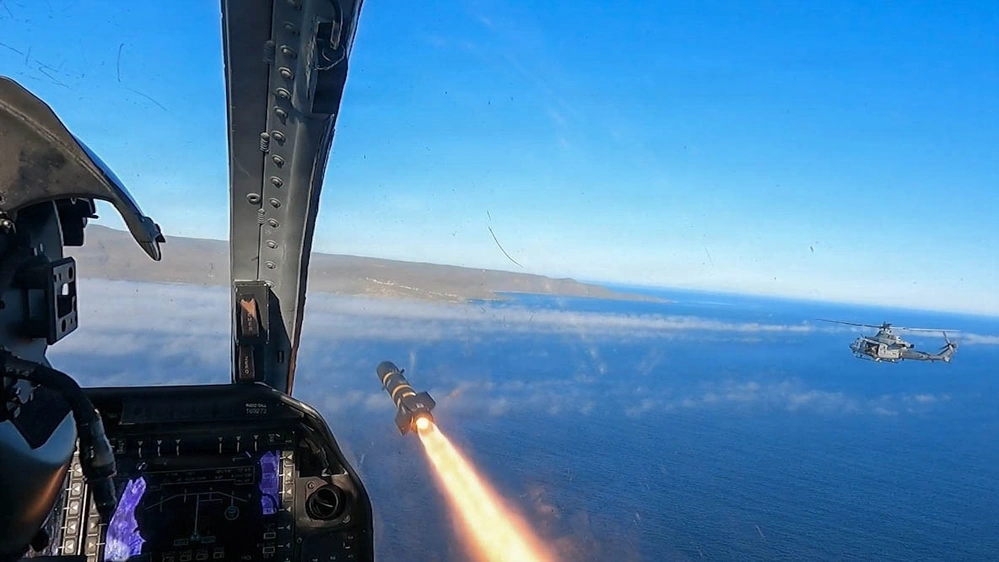
Flying below radar resolution cells, the Viper and Venom can remain undetected while receiving target information from fixed wing Joint Force assets positioned outside enemy missile range. This combined arms approach allows Marine Corps H-1s to contribute to the maritime fight and Joint Force in new and meaningful ways.
Outfitting the AH-1Z Viper and UH-1Y Venom with SPINE helps the fleet maintain its lethality and survivability as mission demands evolve. This upgrade allows H-1s to continue serving as highly capable attack and utility platforms that coordinate sensors, weapons, and unmanned systems while preserving the advantage of human judgment in complex, fast‑moving operations.
A Modernized H-1 for a More Capable Joint Force
SPINE delivers vital modernization to the H‑1 family by transforming current subsystems into a scalable, electrical architecture that is ready to meet the needs of the future battlefield. This enables the rapid integration of emerging technologies while enhancing attack and utility mission capabilities across the fleet.
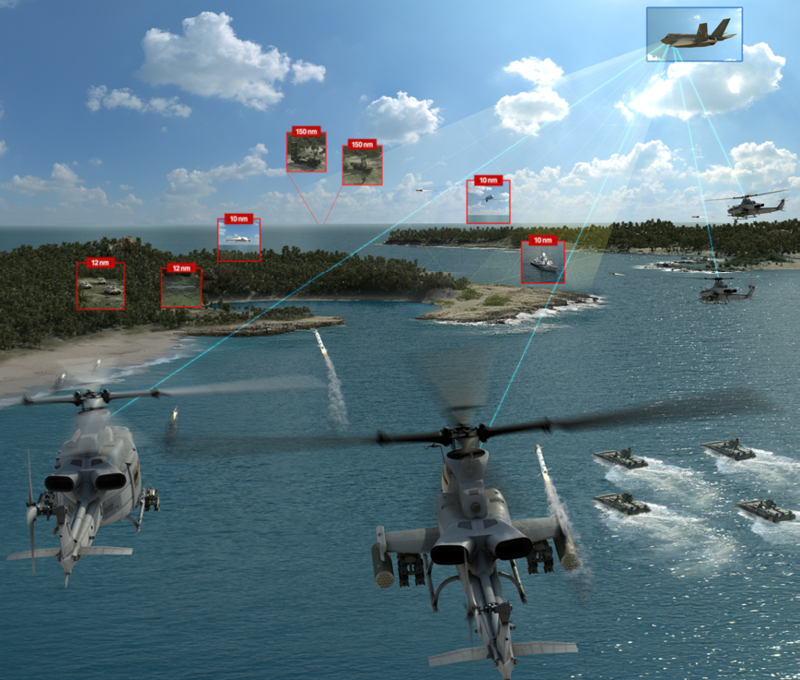
SPINE will supply sufficient electrical power to allow future systems to provide, "...protection against both radar-guided and IR-guided missiles, allow H-1s to receive enemy target locations from third-party platforms such as the F-35, and enable the use of precision weapons with ranges up to ten times greater than those currently employed,” said LtCol Allen Grinalds, USMC (ret.).
Strengthening the U.S. Industrial Base
SPINE is part of a broader national effort to reinforce and modernize the U.S. defense industrial base. The program provides stable, long‑term work not only for Bell’s Amarillo Assembly Center, Drives System Center (DSC), and Repair and Overhaul Center (ROC), but also for key suppliers across the country. By enabling predictable upgrade demand and strengthening sustainment capabilities, SPINE helps maintain skilled talent, supplier stability, and the modernization pathways essential for the Marine Corps and the broader U.S. industrial base.
As SPINE advances, it strengthens Bell’s manufacturing centers and the supply chain that supports the platform, which positions Amarillo as a long-term hub for sustainment and modernization.
“Amarillo has always been central to the H-1 story,” said Scott Sims, H-1 Program Director at Bell. “With SPINE, we are seeing aircraft return for significant modification work, reinforcing Amarillo’s role as a cornerstone of the platform’s future. This is sustained, meaningful work that supports both the Marine Corps and the skilled workforce that makes the H-1 possible.”
At Bell’s Amarillo Assembly Center, the first SPINE modifications were completed on an AH-1Z Viper and a UH-1Y Venom before transitioning to Naval Air Station Patuxent River for continued flight testing. This milestone marks a major step forward in helping the H-1 platform remain capable, relevant, and ready for tomorrow’s operating environment.
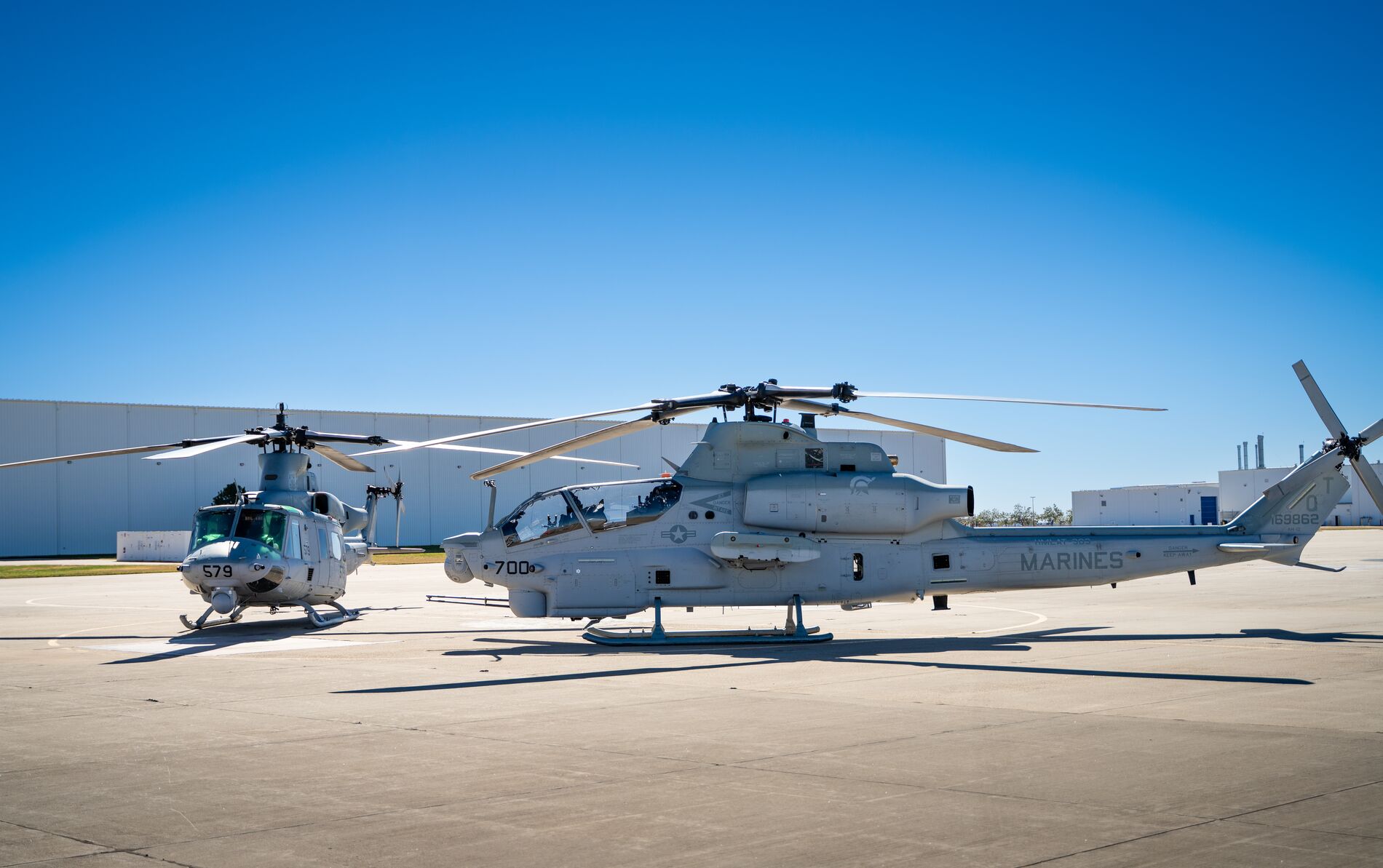
Read More about the transformation!
A Proven Asset With a Deliberate Future
The H-1’s longevity is rooted in its continual evolution and its ability to adapt to changing threats. SPINE provides the structural strength, electrical power, and digital foundation needed to increase lethality, enhance survivability, and support full interoperability within the modern Joint Force.
As global threats evolve, the H-1 platform remains vital not because of what it once was but because of what it continues to become. With SPINE, Bell is positioning the Viper and Venom for the future fight and preparing them to deliver the capabilities Joint Force commanders require.
The Future of Marine Aviation: SPINE H-1 Fleet Upgrade
Interested in Bell Insights?
Get exclusive, unreleased Bell updates, videos and aircraft news before anyone else. Join the future of vertical lift, today.


.avif)