Increased Readiness
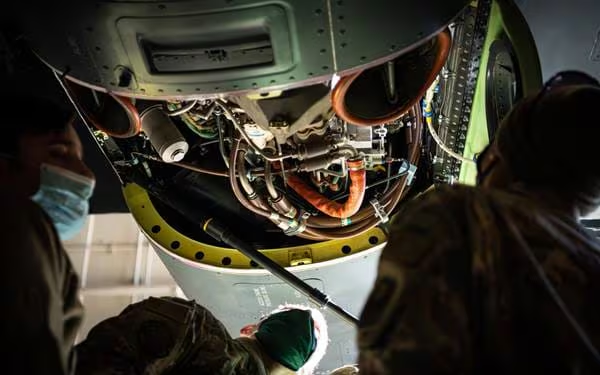
Improves reliability, fleet readiness and maintainer affordability. Nacelle Improvement refines nacelle structure and wiring, supporting aircraft maintenance and overall fleet readiness.

Enhanced Readiness
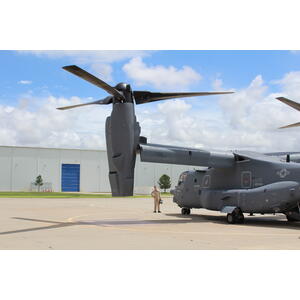
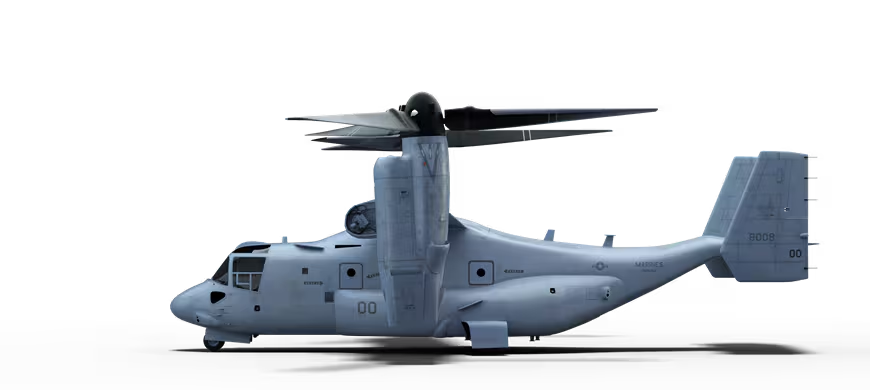
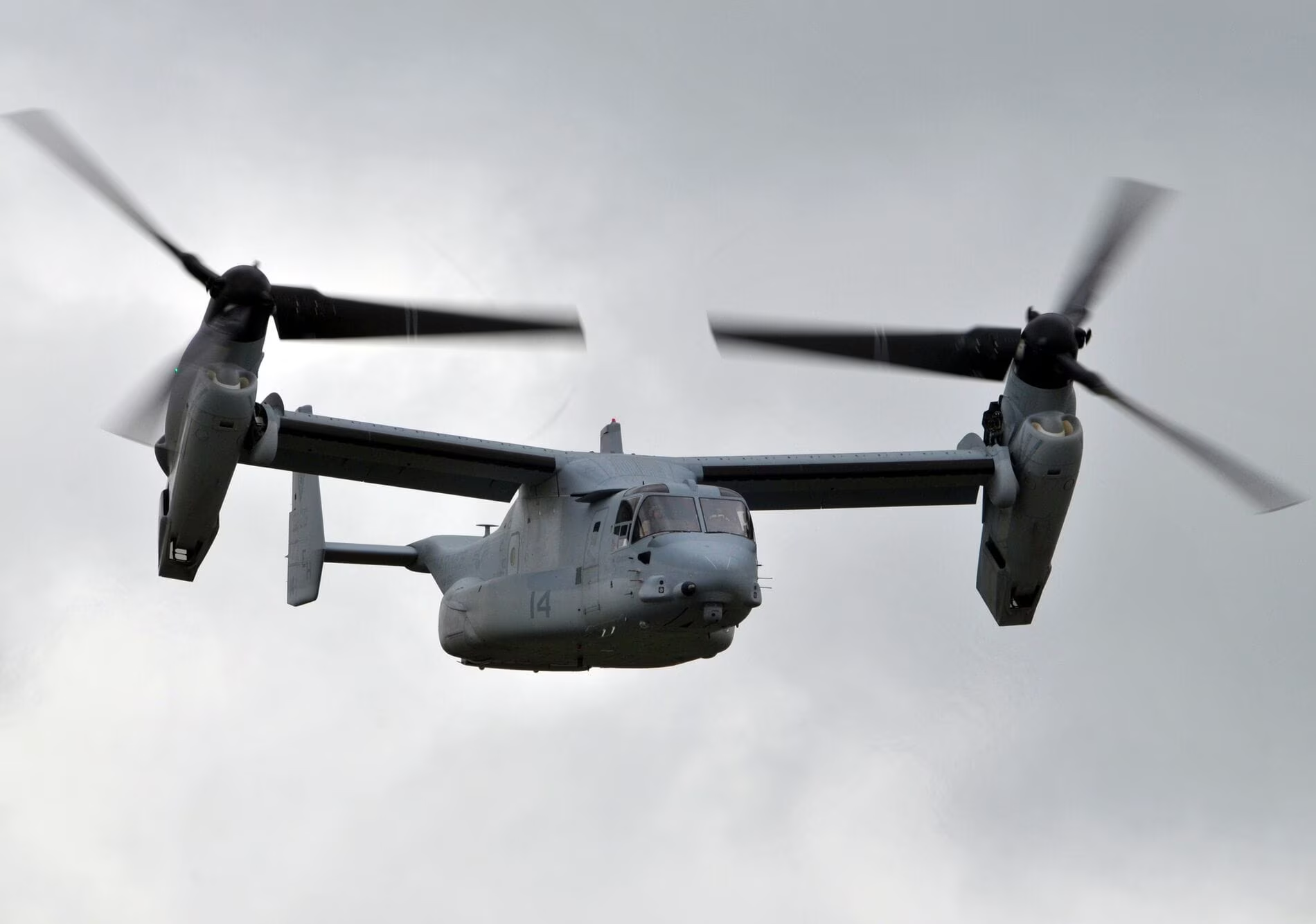
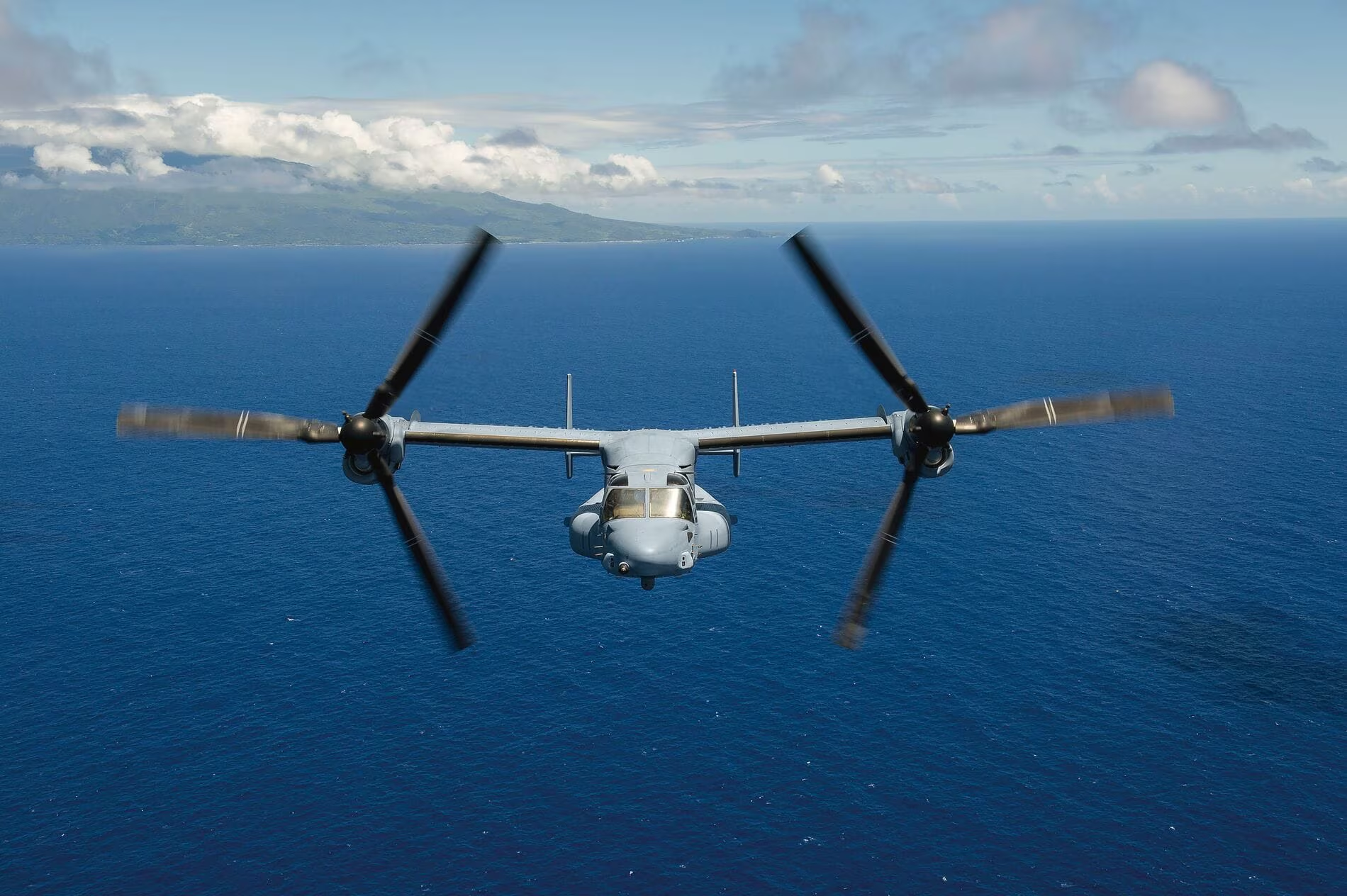
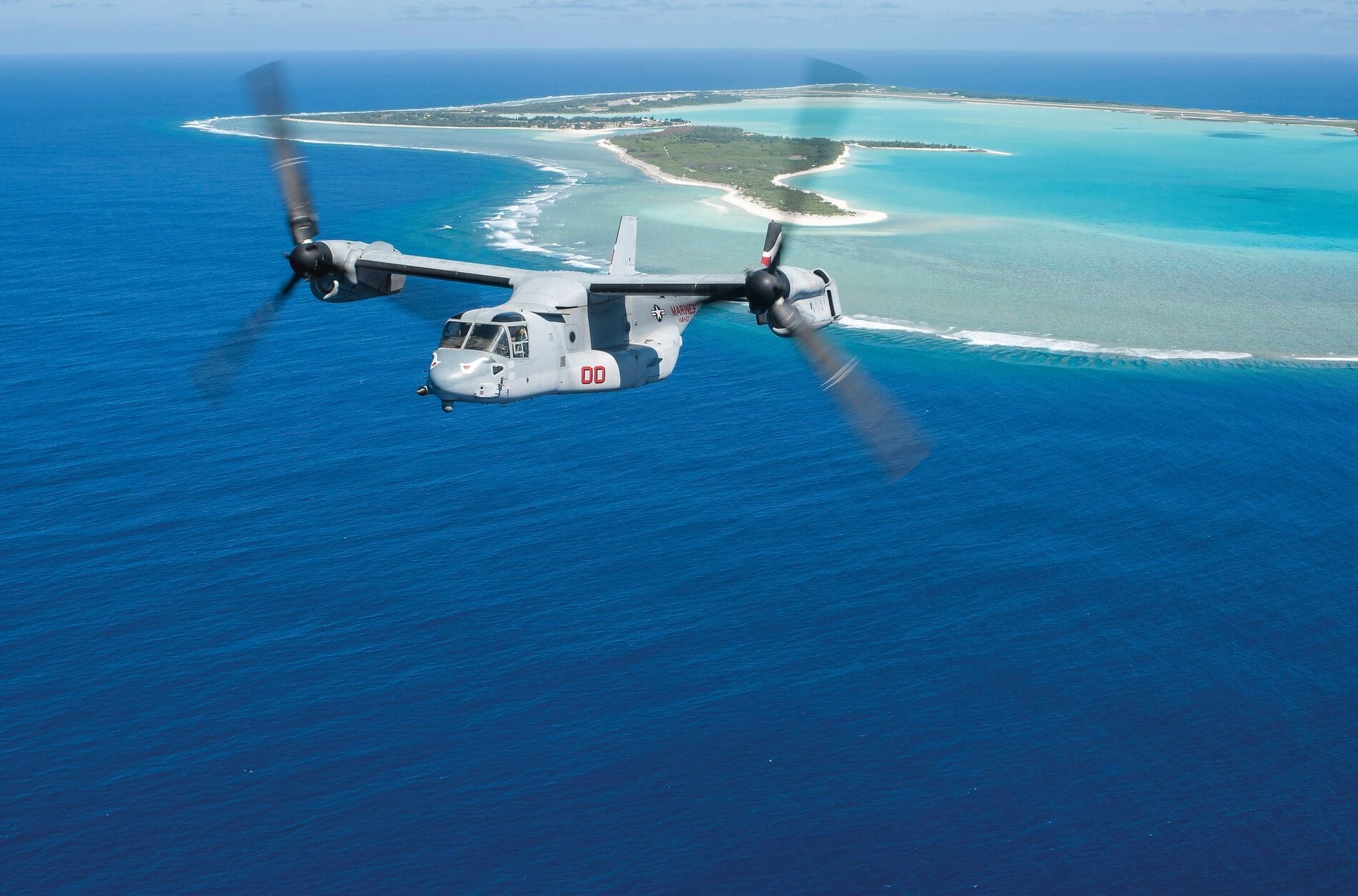
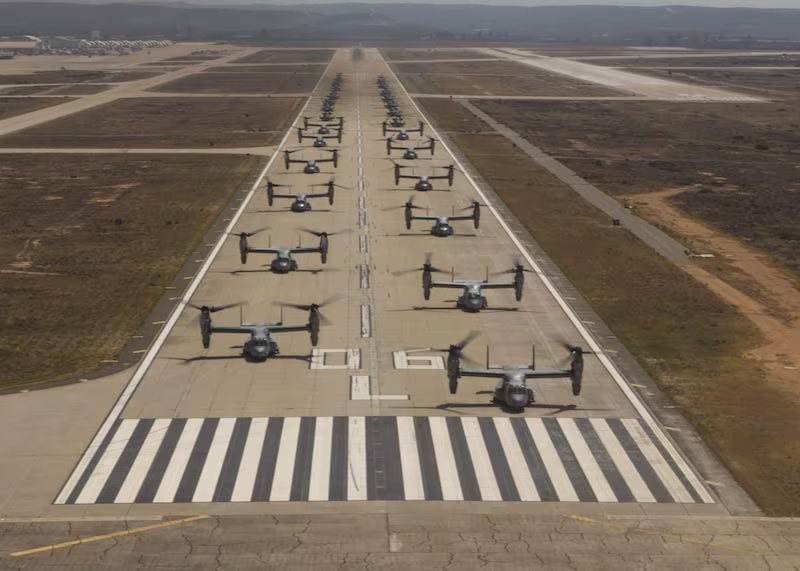
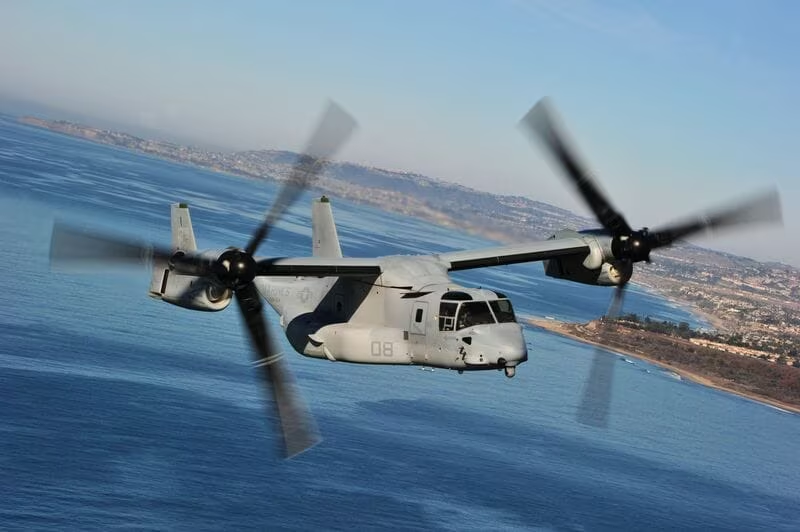
For more than 30 years, the V-22 Osprey has changed how the U.S. Marine Corps, Air Force and Navy operate in combat and humanitarian missions. With a fleet of 450 aircraft accumulating more than 750,000 flight hours, the V-22 continues to prove it's one of the most versatile and reliable aircraft for our customers and national security.
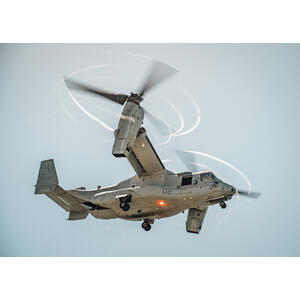
Twice the speed and range of helicopters means more capability and versatility during time-critical situations. Transport more troops, equipment and supplies faster and farther.
.svg)
The Bell Boeing V-22 has a maximum vertical takeoff weight of 52,600lbs and can hover at altitudes over 10,000ft.



Combat Proven
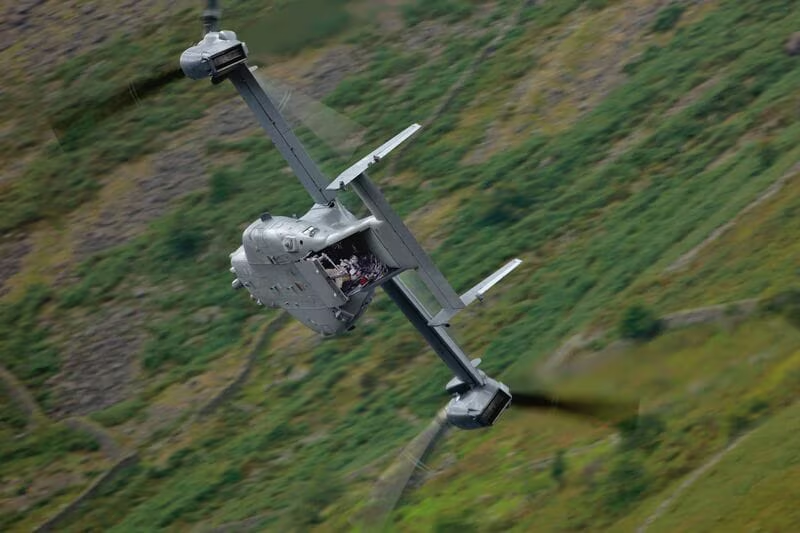
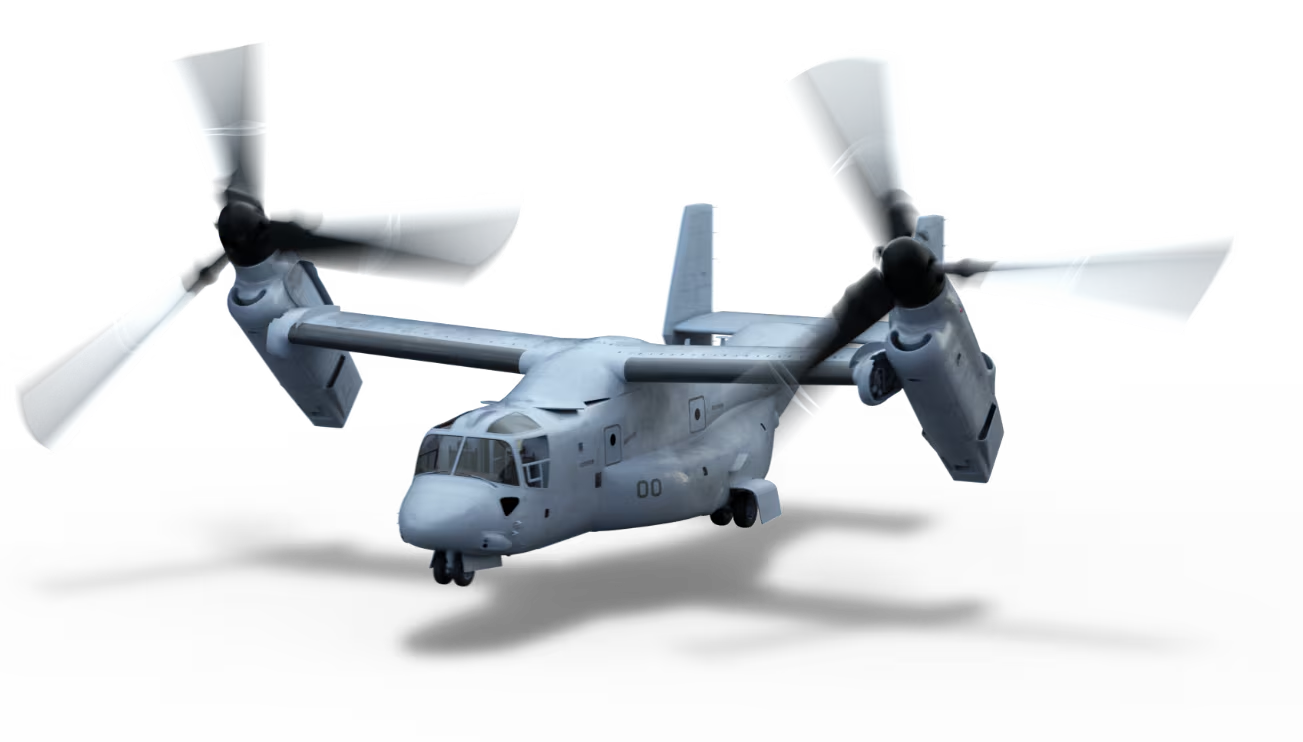
Survivable performance across the full range of military operations worldwide. Increase your commanders' reach by extending operations farther and faster than ever before.

Own the Night
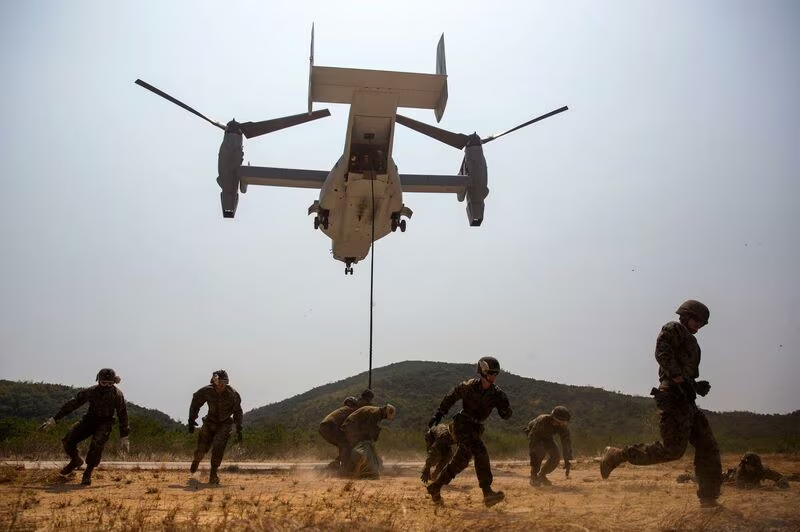
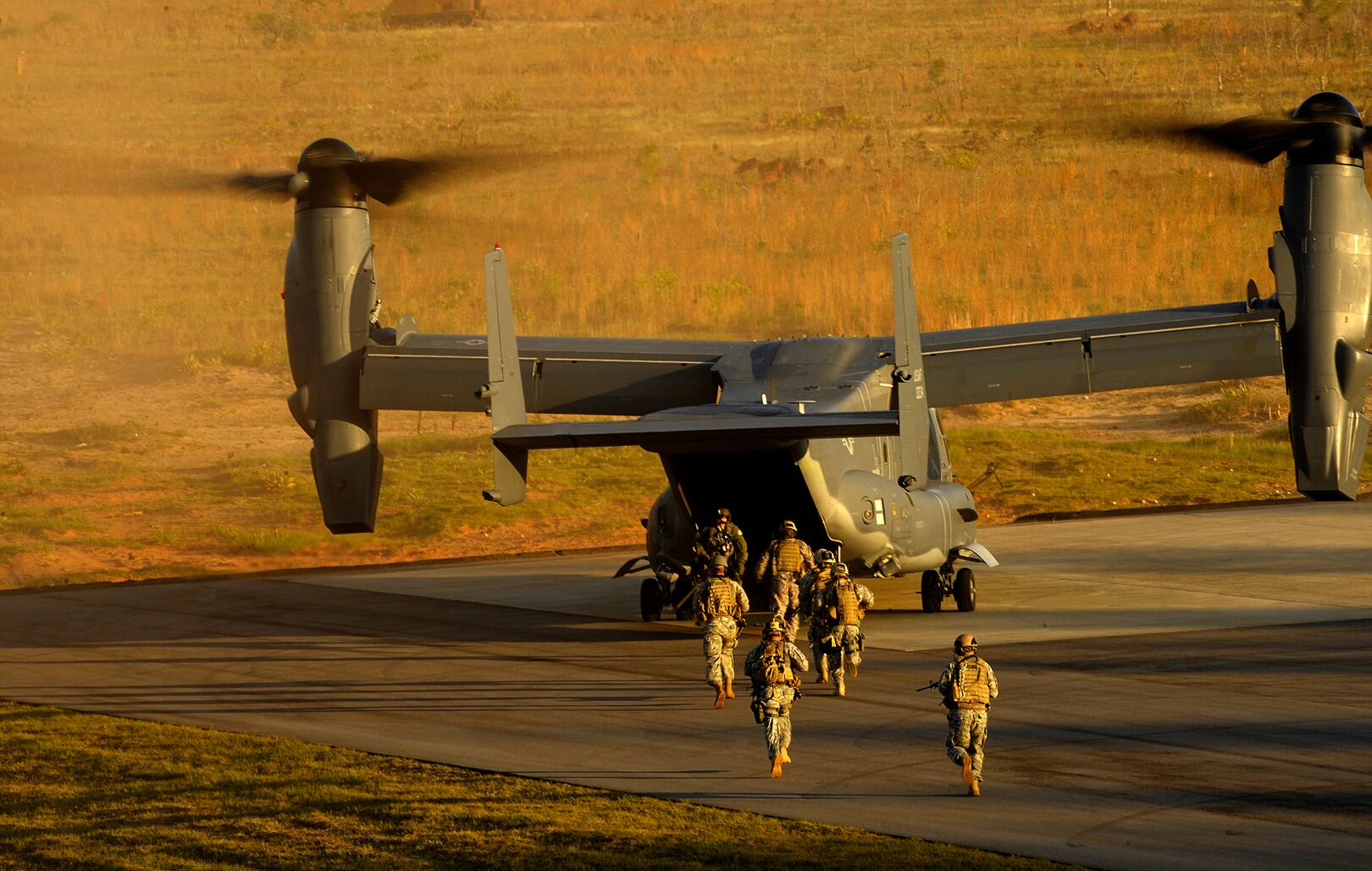
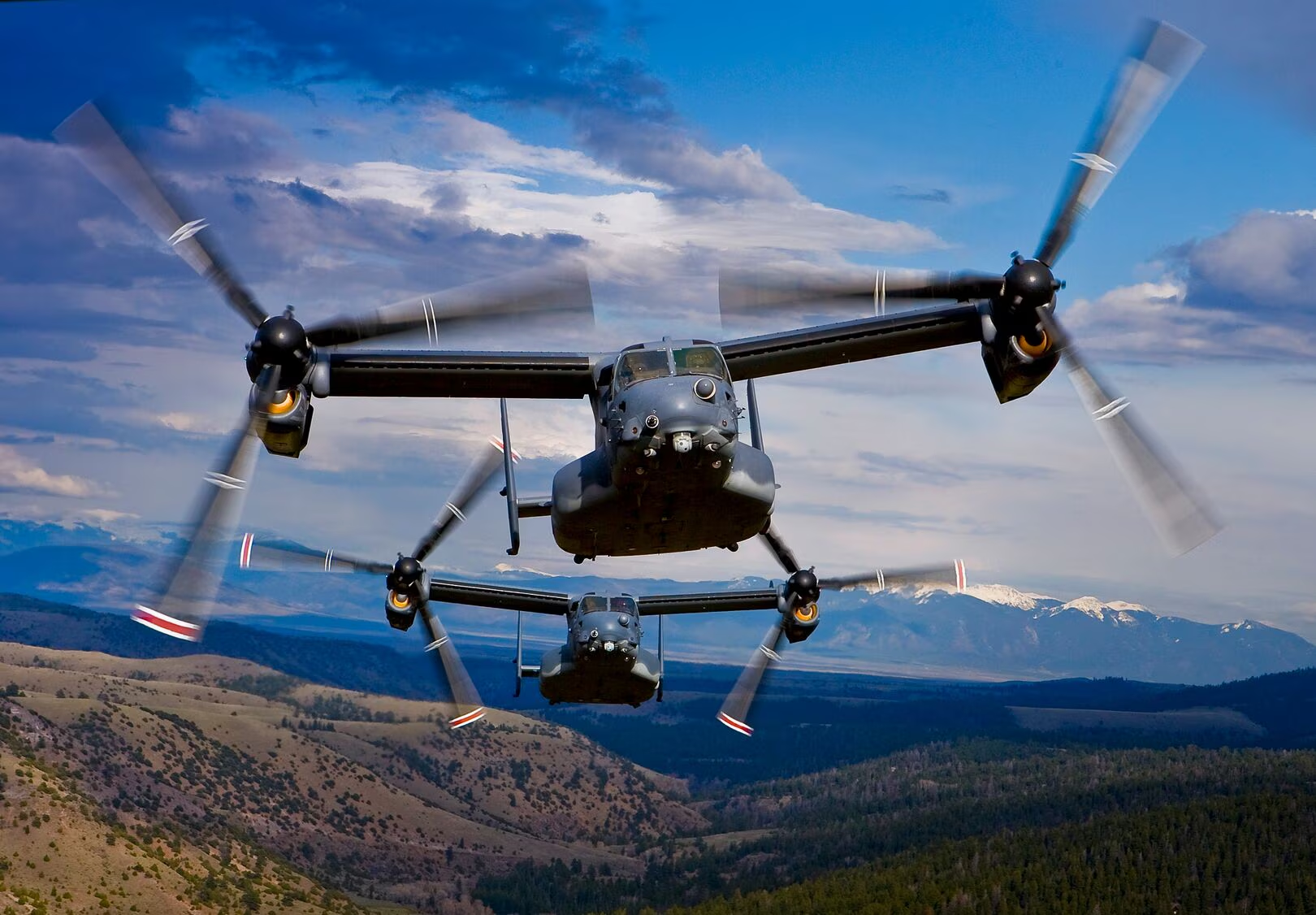
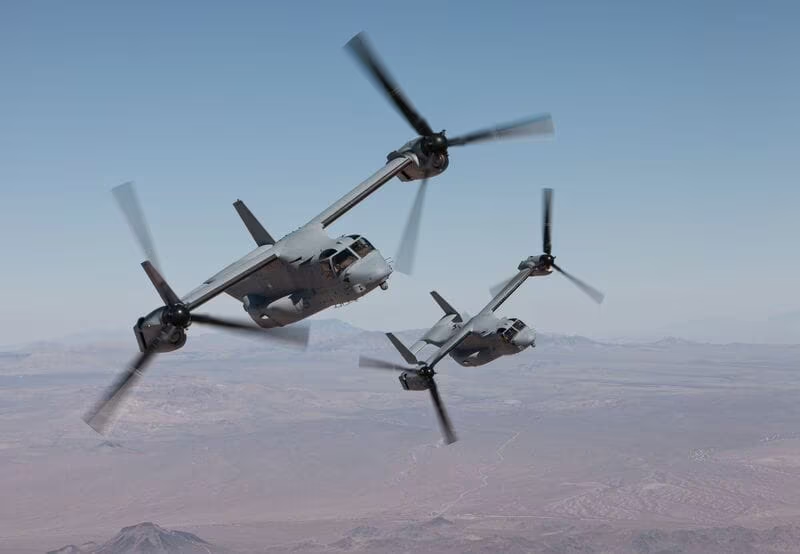
Terrain-following radar and enhanced survivability features allow the
CV-22 to support the infiltration and exfiltration of special operations
forces anywhere, anytime, day or night.
Built to Deliver
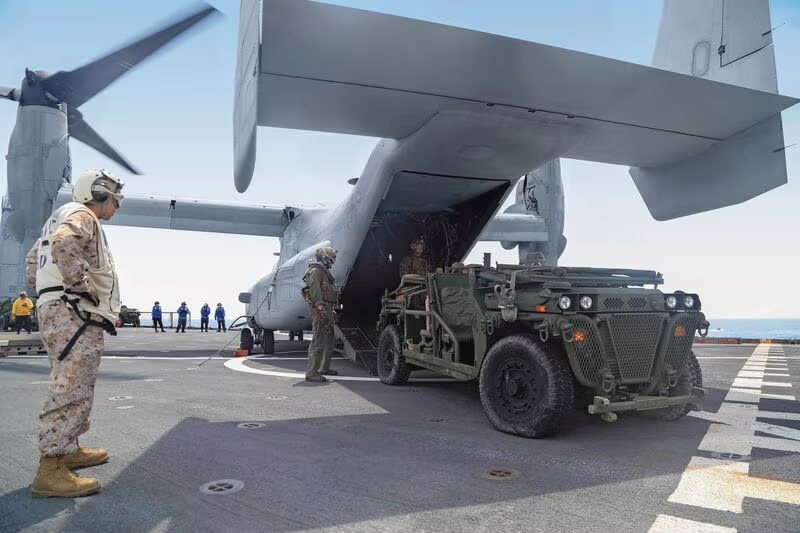
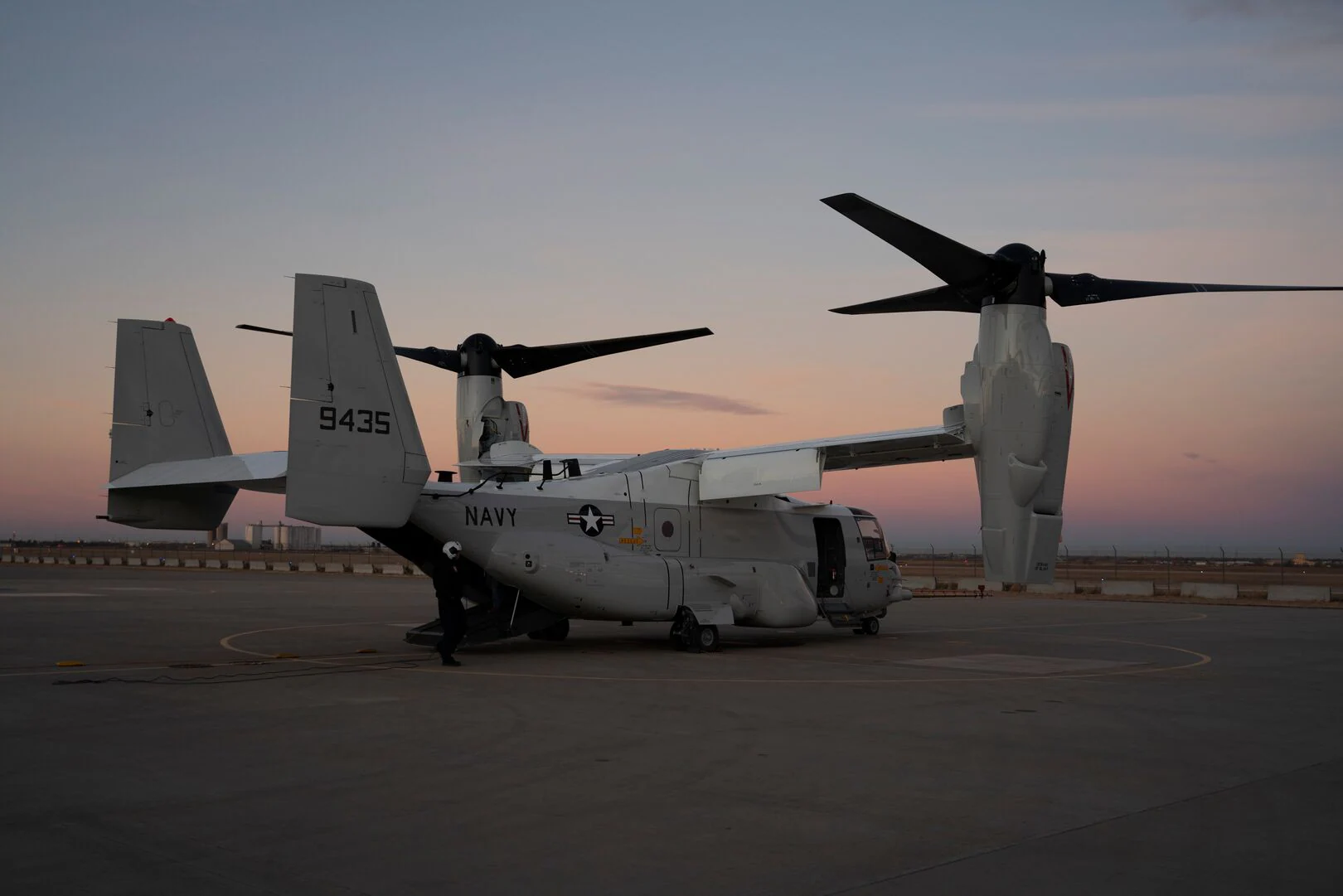
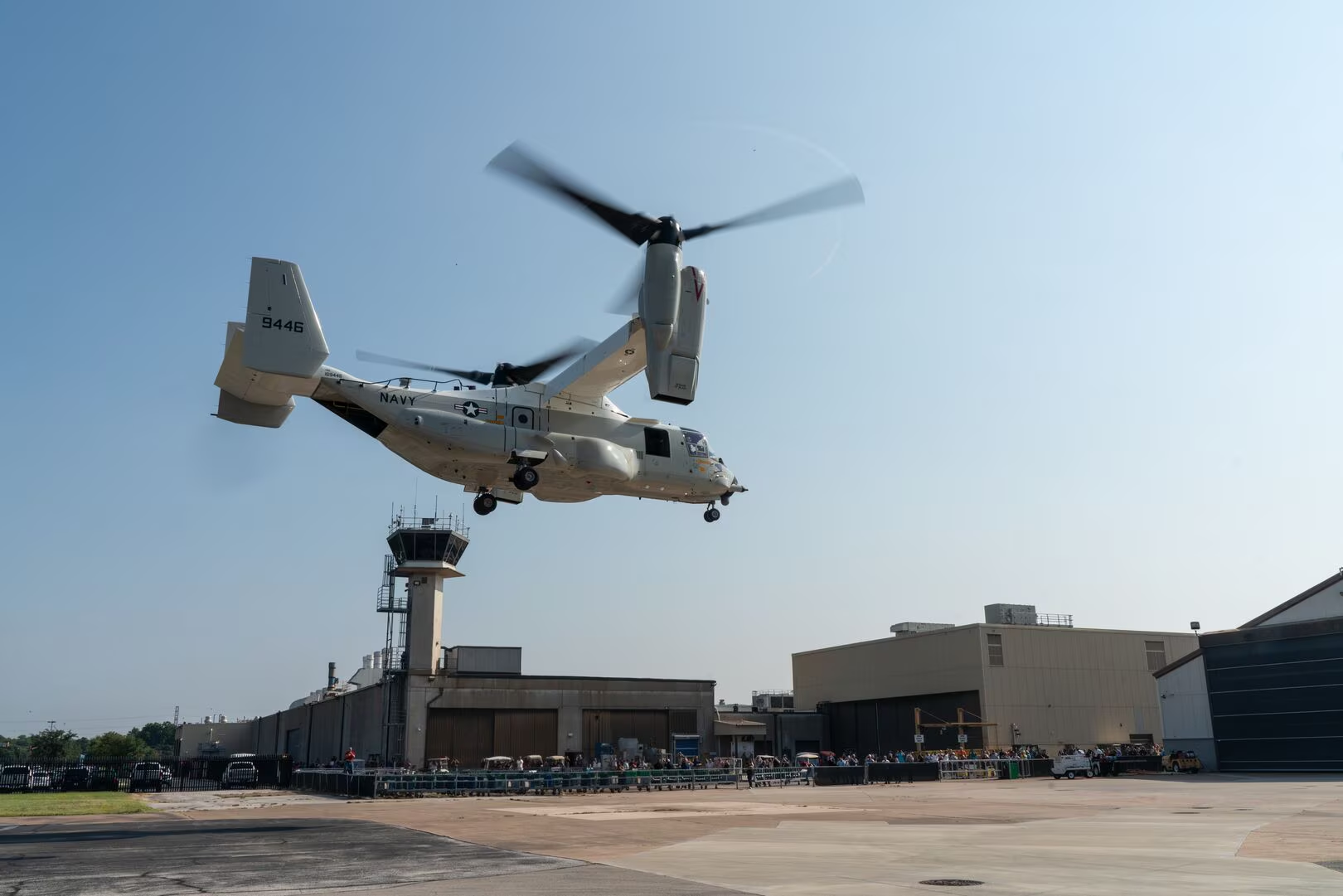
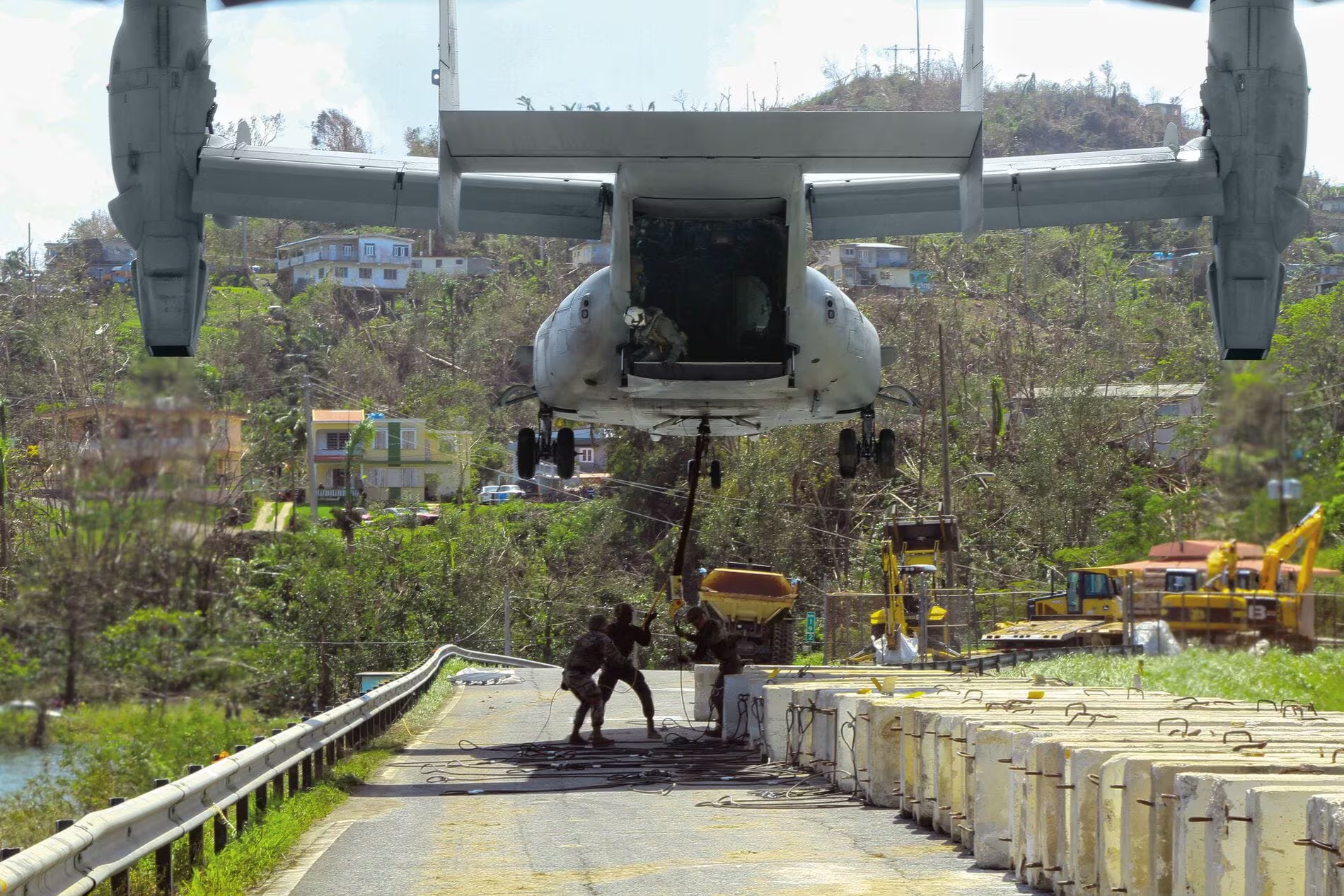
Point to point flexibility. The CMV-22's combination of range, speed, payload and vertical lift means critical supplies get where they are needed, when they are needed. Floor rollers and cargo winch allow rapid loading and unloading of cargo.
Dignitary Transport
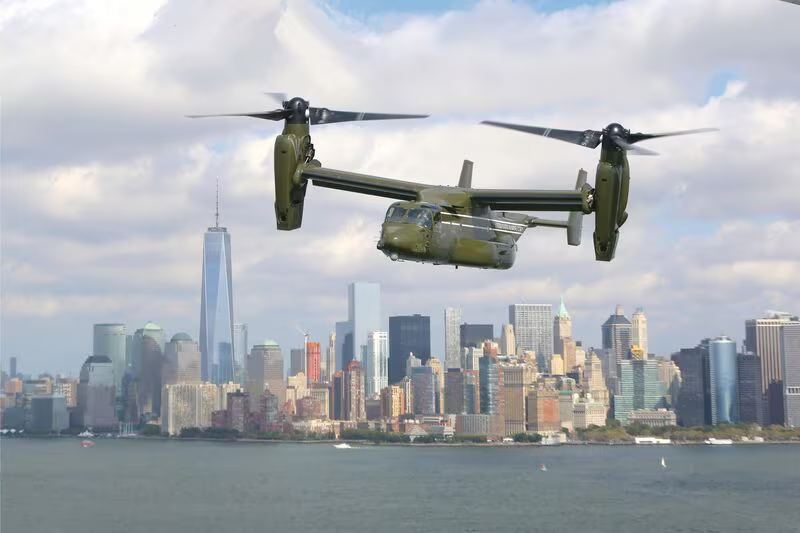
Land anywhere with the maneuverability of a vertical aircraft. Fly faster with the transit speed and range of a fixed-wing aircraft. Travel with presidential confidence in an interior fuselage designed for dignitaries.
Multi-mission Global Reach

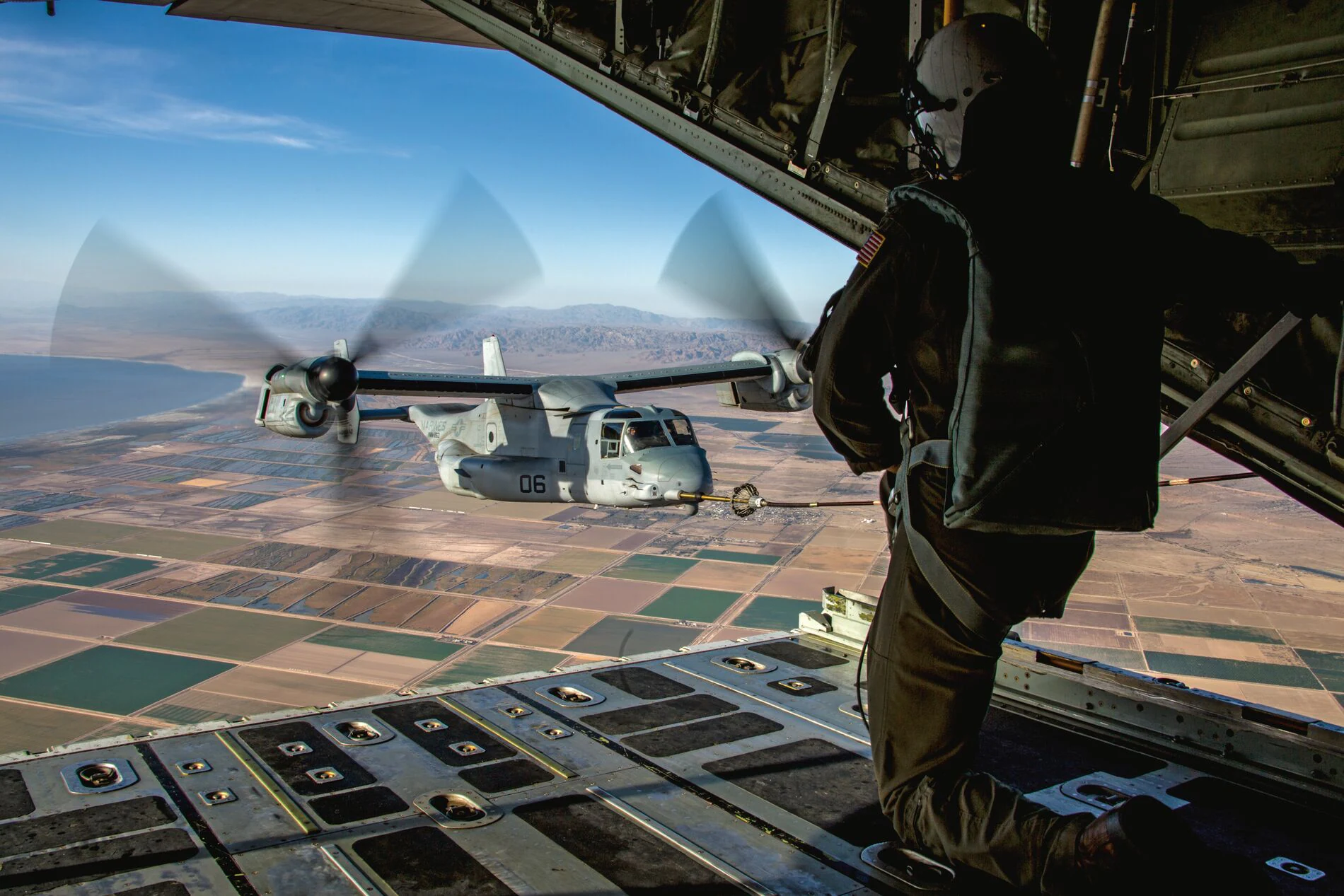
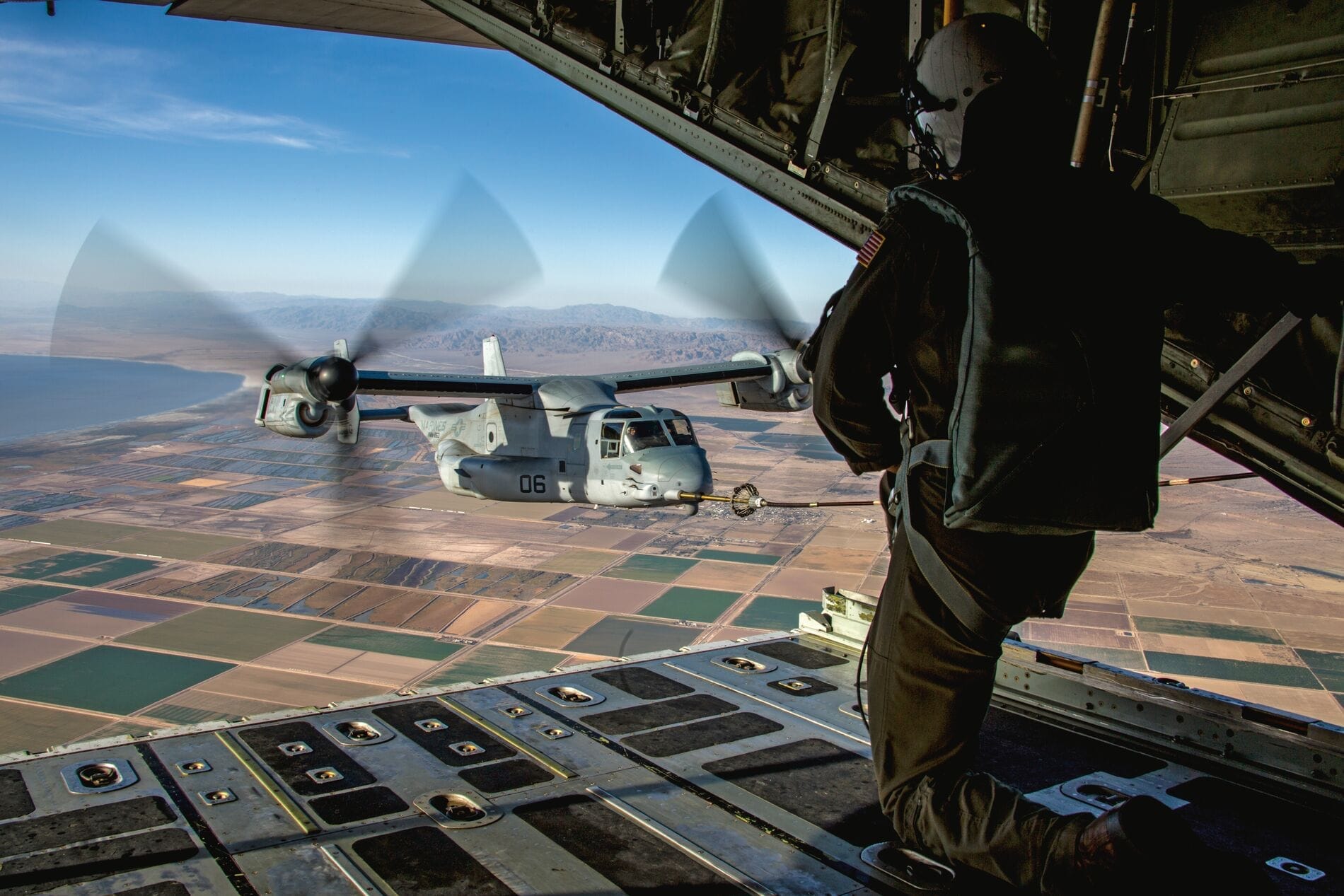
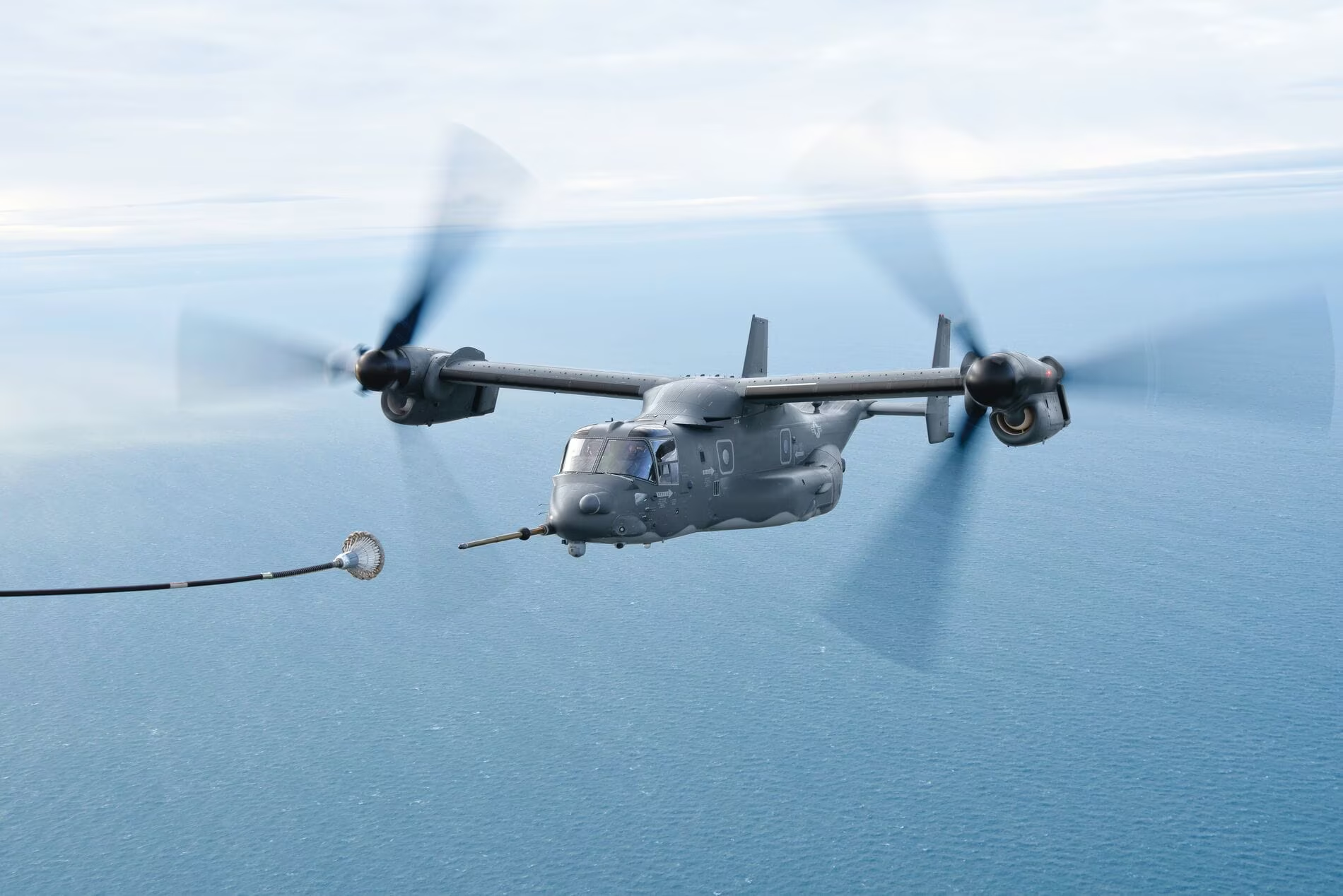
The V-22 can refuel off most common tanker aircraft using standard high-speed drogues. Capability-proven during countless trans-Atlantic crossings by U.S. Marine and Air Force crews.
Bringing Everyone Home
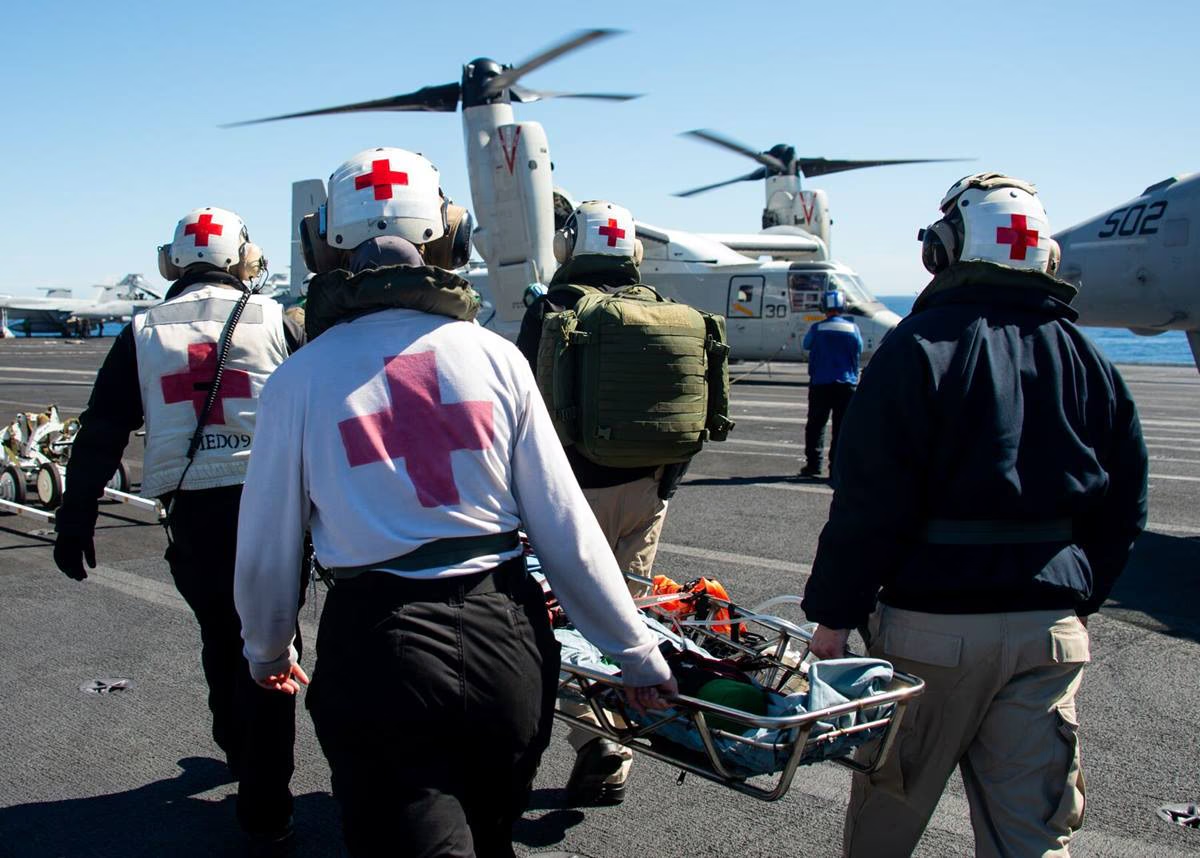
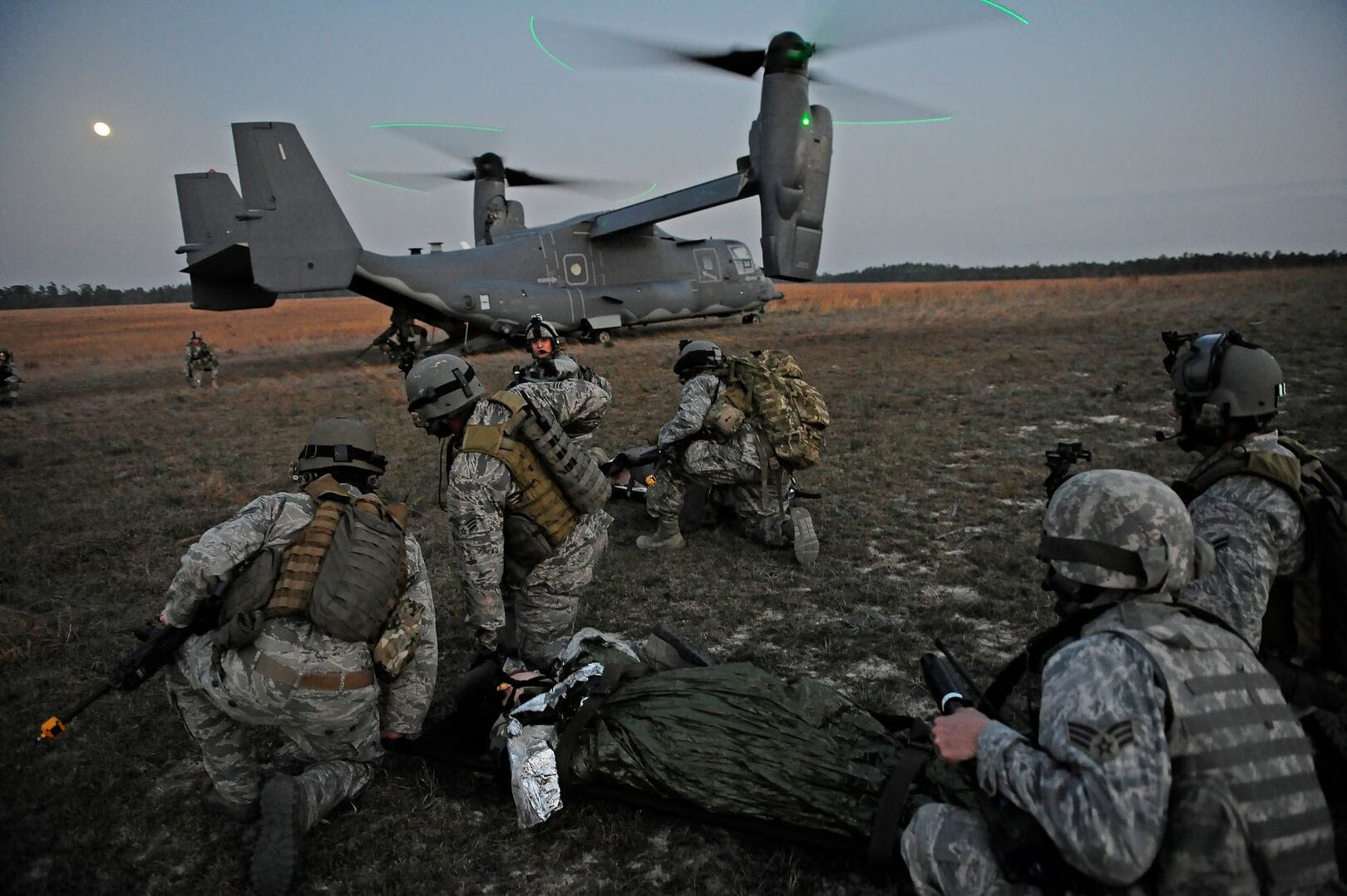
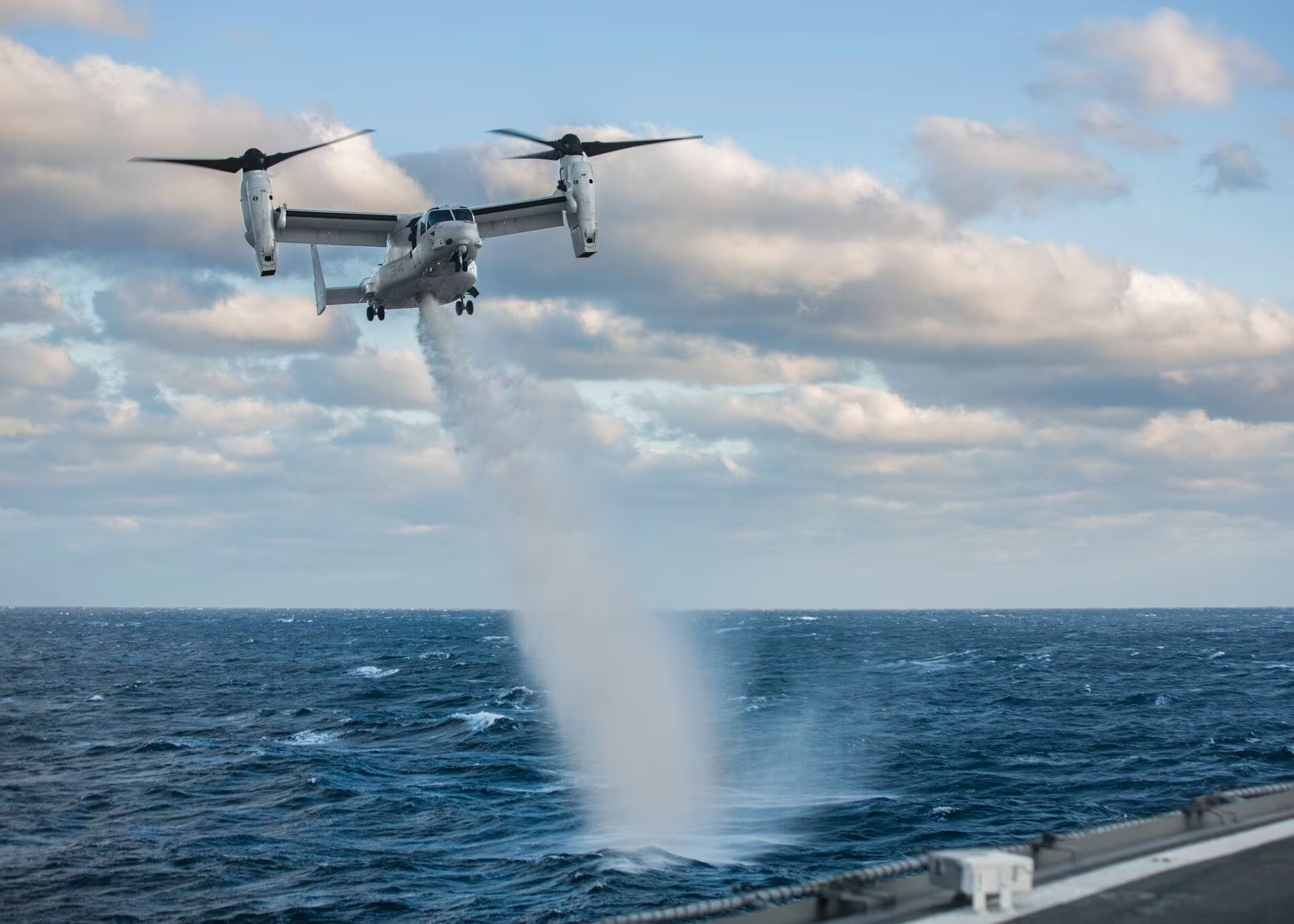
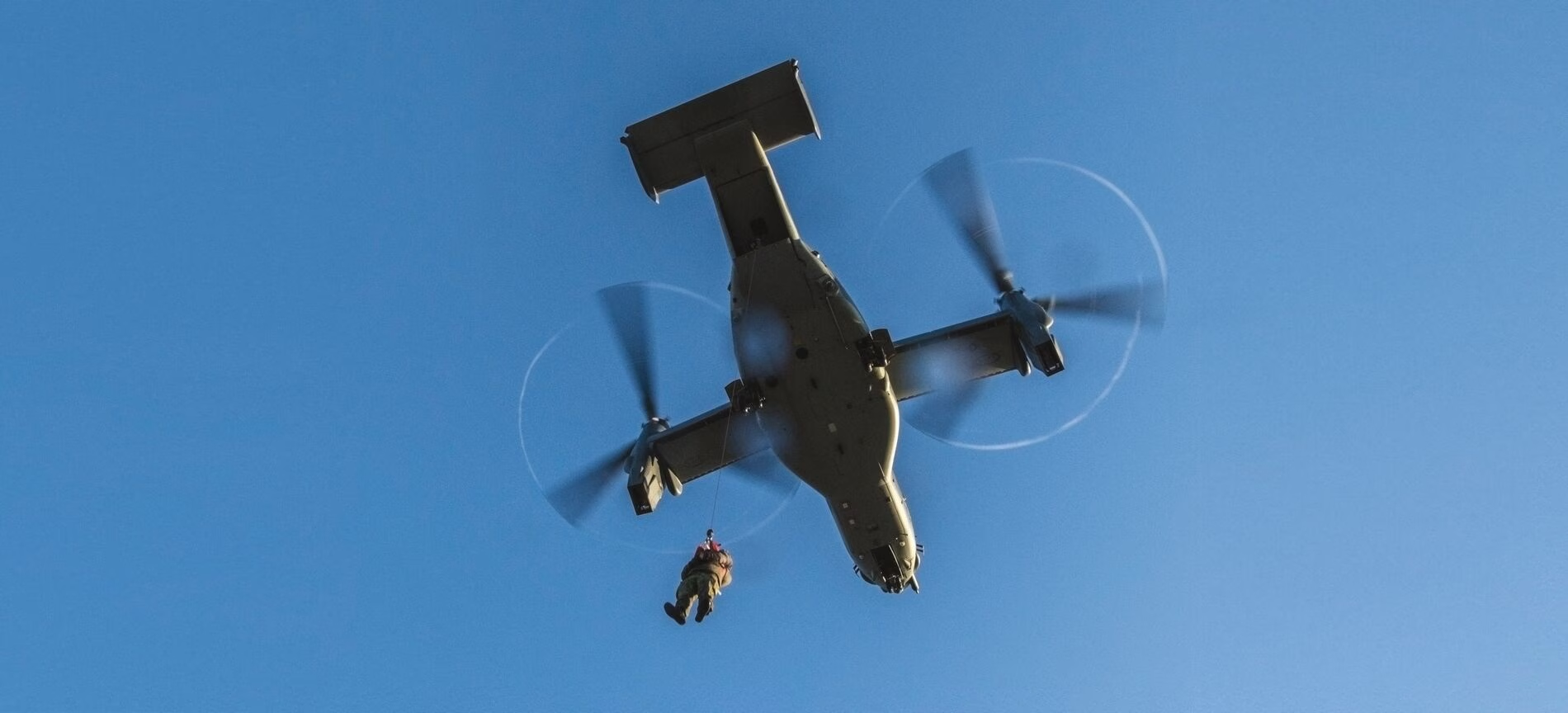
Faster response with the V-22's speed and greater coverage area with its range means more casualties receiving medical care during the
"Golden Hour." Use hoist and hover capability to recover personnel over
water or rough terrain.
Survivable performance across the full range of military operations worldwide. Increase your commanders' reach by extending operations farther and faster than ever before.
Terrain-following radar and enhanced survivability features allow the
CV-22 to support the infiltration and exfiltration of special operations
forces anywhere, anytime, day or night.
Point to point flexibility. The CMV-22's combination of range, speed, payload and vertical lift means critical supplies get where they are needed, when they are needed. Floor rollers and cargo winch allow rapid loading and unloading of cargo.
Land anywhere with the maneuverability of a vertical aircraft. Fly faster with the transit speed and range of a fixed-wing aircraft. Travel with presidential confidence in an interior fuselage designed for dignitaries.
The V-22 can refuel off most common tanker aircraft using standard high-speed drogues. Capability-proven during countless trans-Atlantic crossings by U.S. Marine and Air Force crews.
Faster response with the V-22's speed and greater coverage area with its range means more casualties receiving medical care during the
"Golden Hour." Use hoist and hover capability to recover personnel over
water or rough terrain.
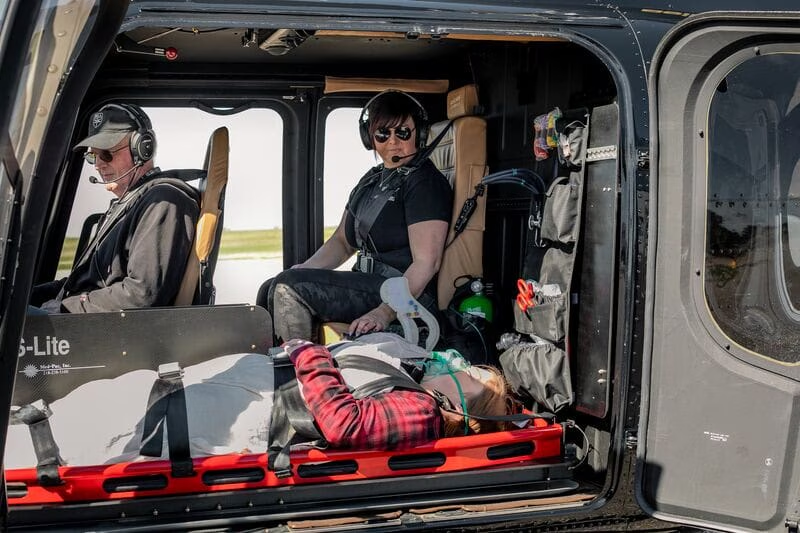
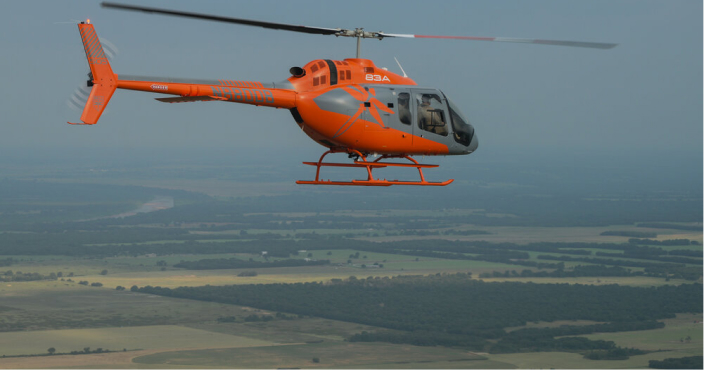
Get heightened situational and terrain awareness for your flight crew with the 505's glass cockpit and large windows, all at a competitive rate.



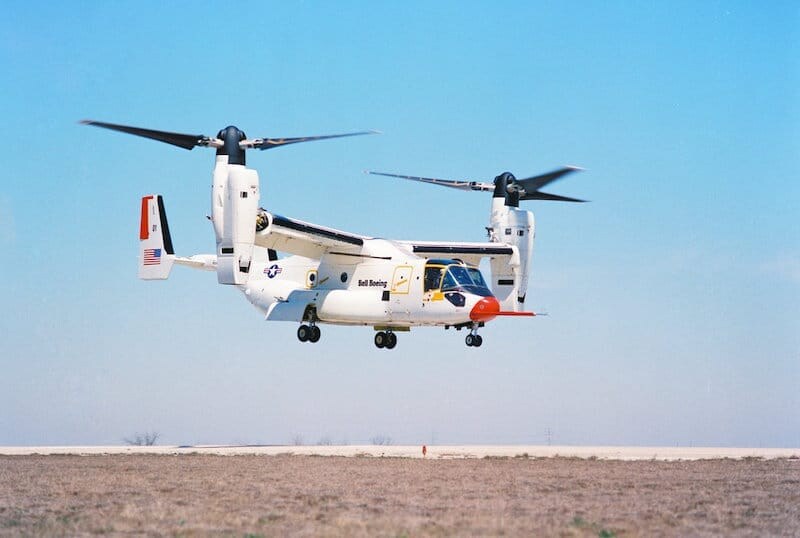
Mar 1989
Sept 2005
June 2007
Oct 2007
Feb 2011
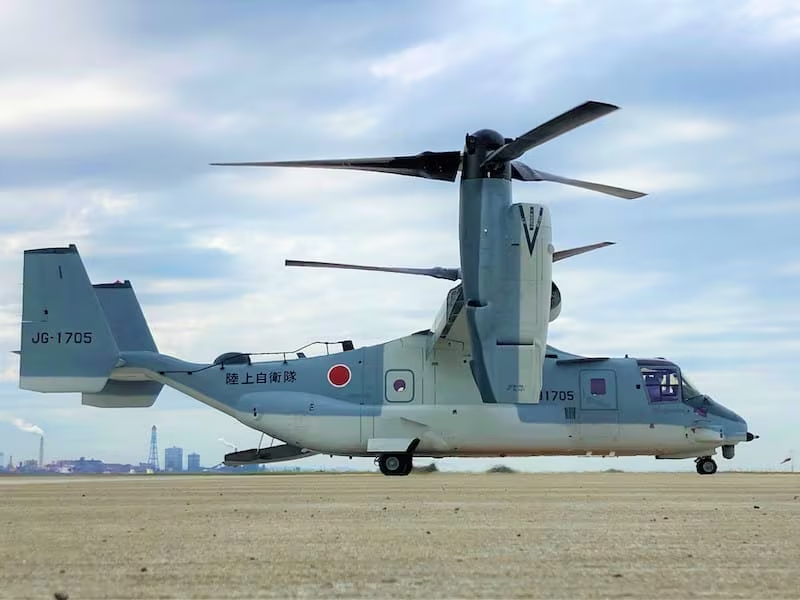
July 2015
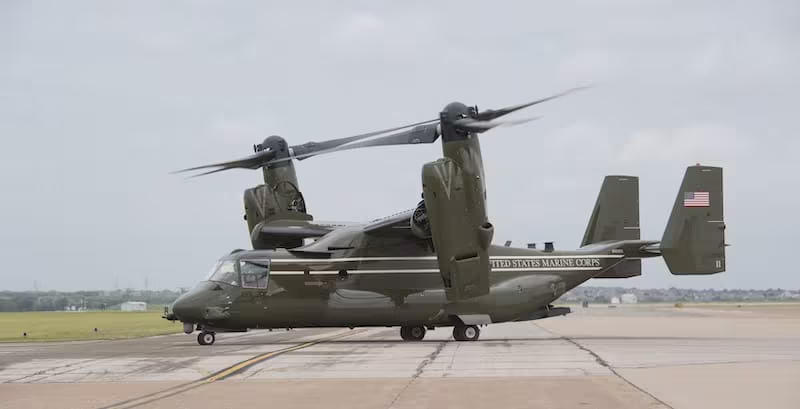
Nov 2017
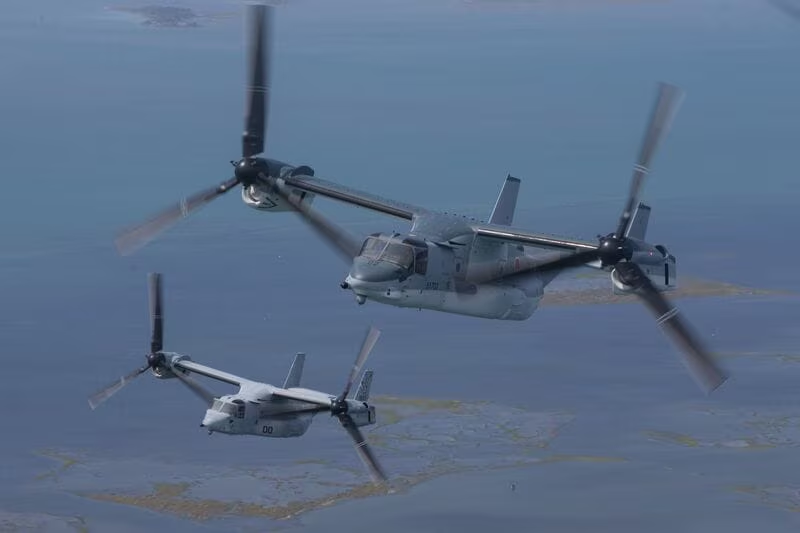
Oct 2019
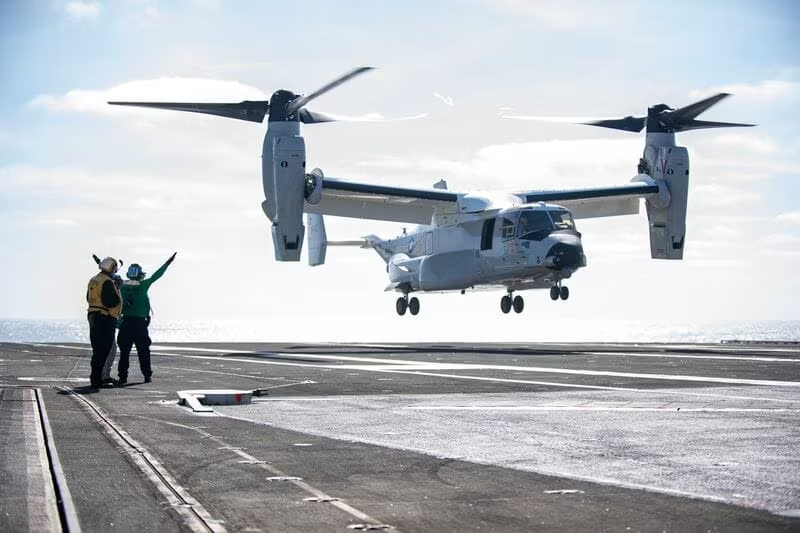
June 2020
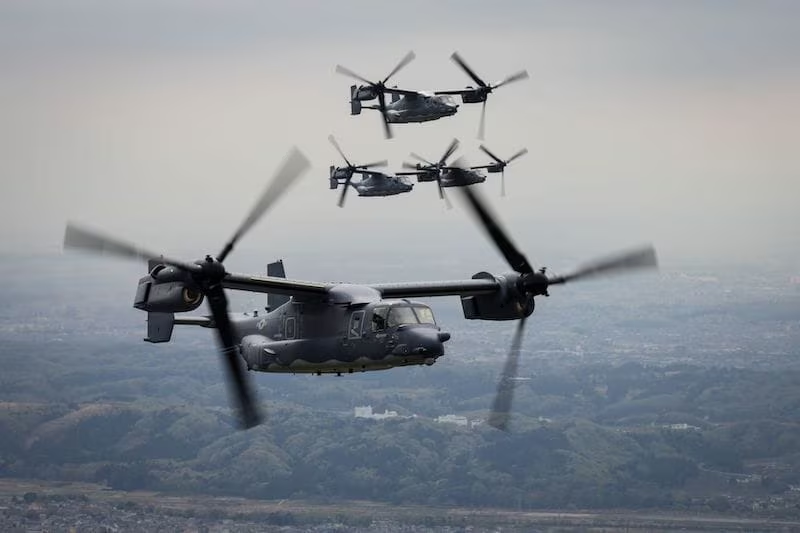
June 2020
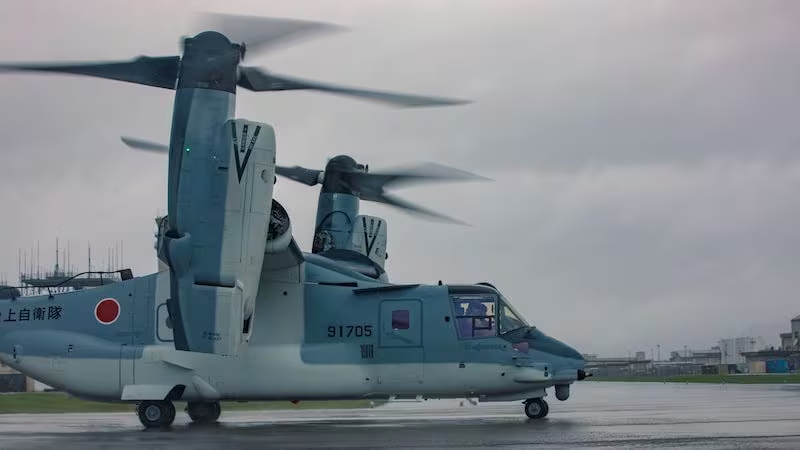
July 2020
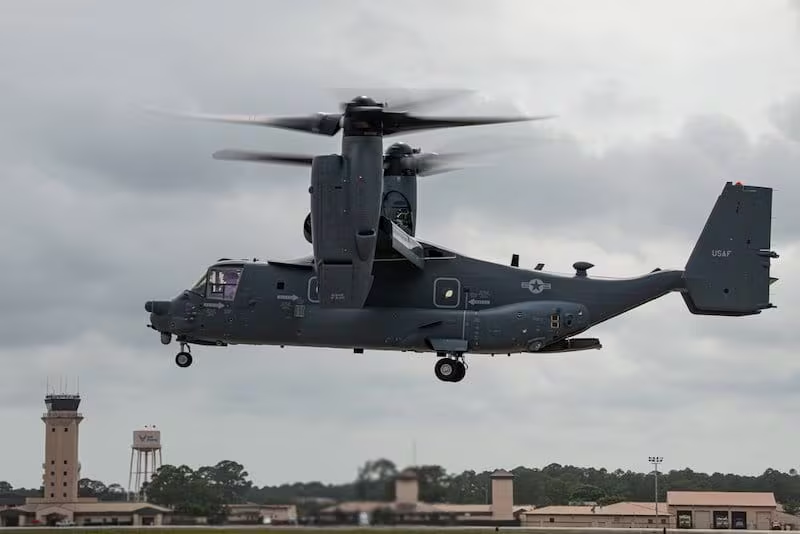
Mar 2021
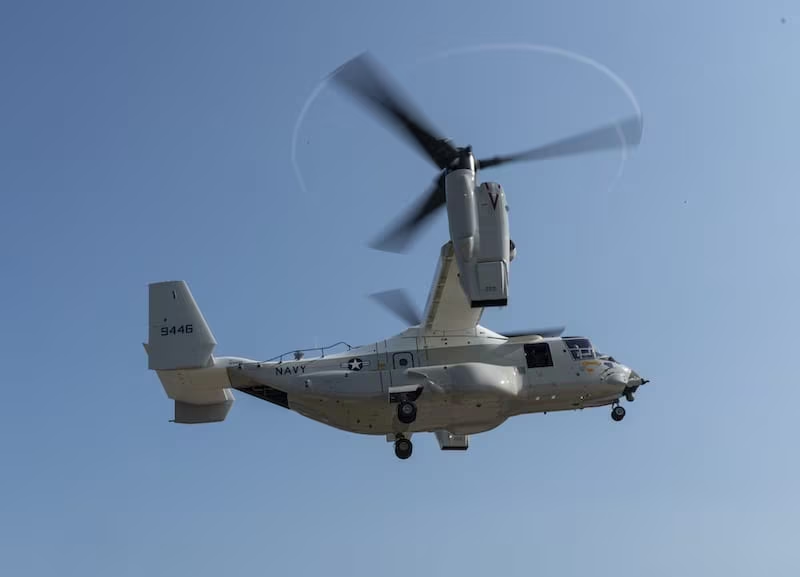
Dec 2021
Improves reliability, fleet readiness and maintainer affordability. Nacelle Improvement refines nacelle structure and wiring, supporting aircraft maintenance and overall fleet readiness.

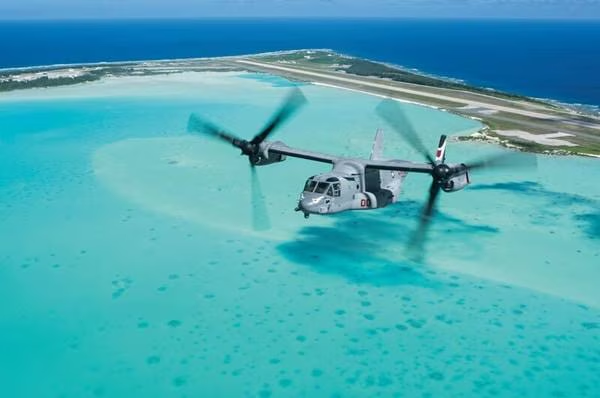
Ready for anything, fast to respond. Tiltrotors combine unrivaled reach with extraordinary speed, range and payload. Cover a larger mission area in less time.

Proven in the world’s harshest environments, from the desert to the arctic. Designed from the ground up for the maritime environment—corrosion resistant materials and coatings, bladefold for shipboard storage and enhanced Elector Magnetic Interference protection. Combined with triple-redundant flight controls, this aircraft is built to take on a challenge.
.avif)
Reach the most remote locations with confidence. Readily resupply bases as far as 400 nm on one tank of gas. Auxiliary tanks and aerial refueling allow flight for five hours or more.
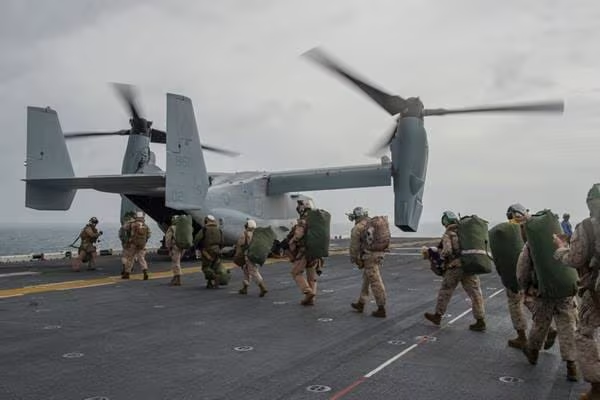
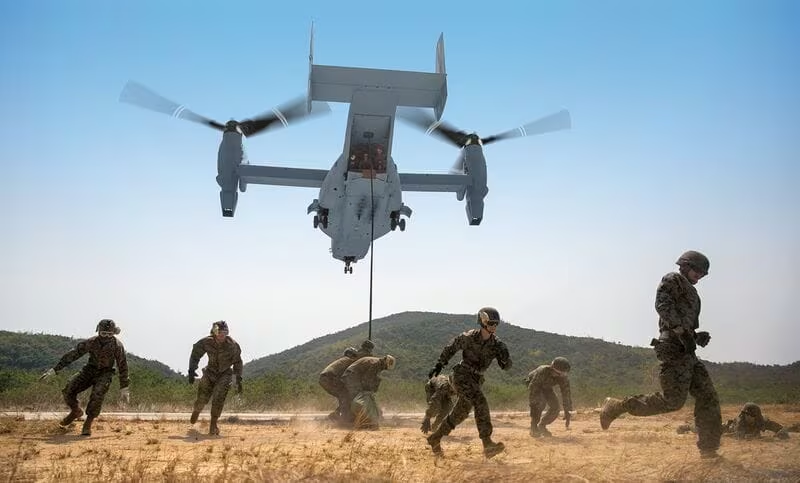
Get seating for 24 combat troops, provisions for FAST rope and rappel, heightened cabin situational awareness, and a GPS repeater. External antenna for troop radios, so commanders never lose touch. All to transport your team where they’re needed most.
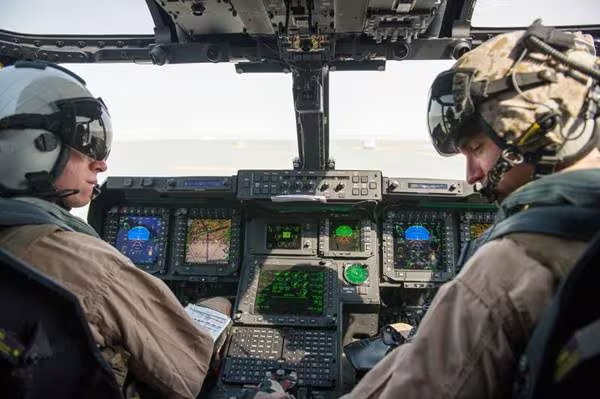
Fly-by-wire controls mean less pilot workload and more situational awareness. The combination of coupled modes and modern glass displays creates better flight safety, whether flying long-range under IMC or landing in brownout conditions.


.svg)

All registered trademarks are the property of their respective owners. The information herein is general in nature and may vary with conditions. Individuals using this information must exercise their independent judgment in evaluating product selection and determining product appropriateness for their particular purpose and requirements. For performance data and operating limitations for any specific mission, reference must be made to the approved flight manual. Bell Textron Inc. makes no representations or warranties, either expressed or implied, including without limitation any warranties of merchantability or fitness for a particular purpose with respect to the information set forth herein or the product(s) and service(s) to which the information refers. Accordingly, Bell Textron Inc. will not be responsible for damages (of any kind or nature, including incidental, direct, indirect, or consequential damages) resulting from the use of or reliance on this information. Bell Textron Inc. reserves the right to change product designs and specifications without notice.
Products may be shown with optional equipment and upgrades.
The appearance of U.S. Department of Defense (DoD) visual information does not imply or constitute DoD endorsement. Photo credits: Airman 1st Class Drew Cyburt, Skip Robinson, Petty Officer 3rd Class Aaron Smith, Mass Communication Specialist 3rd Class Aaron T. Smith and Lance Cpl. Elias Pimentel